Author name: nickson

Radiology

The Benefits of Ultrasound Systems in Modern Medical Practice

Ultrasound technology has become one of the most versatile and widely used diagnostic tools in healthcare. From routine examinations to complex diagnostic procedures, ultrasound systems provide safe, accurate, and real-time imaging that supports effective patient care across multiple medical specialties. 1. Non-Invasive and Safe Imaging Unlike imaging modalities that use ionizing radiation, ultrasound relies on sound waves to generate images. This makes it a safe option for a wide range of patients, including pregnant women, children, and individuals requiring repeated examinations. 2. Real-Time Diagnostic Capabilities Ultrasound provides live imaging, allowing healthcare professionals to observe organs, tissues, and blood flow in real time. This capability is particularly useful in cardiology, obstetrics, emergency medicine, and vascular assessments. 3. Early Detection of Medical Conditions High-quality ultrasound systems help clinicians identify abnormalities at an early stage, improving treatment outcomes. Conditions affecting the abdomen, thyroid, heart, kidneys, and reproductive organs can often be detected quickly and accurately. 4. Portable and Convenient Modern ultrasound systems are available in portable and cart-based configurations, making them suitable for hospitals, clinics, emergency departments, and outreach programs. Their mobility improves access to diagnostic services in various healthcare settings. 5. Cost-Effective Diagnostic Solution Ultrasound equipment generally requires lower operational costs compared to many advanced imaging modalities. This makes it an excellent investment for healthcare facilities seeking to expand diagnostic capabilities while maintaining affordability. 6. Supports Multiple Medical Specialties Ultrasound technology is utilized across numerous disciplines including radiology, obstetrics and gynecology, cardiology, urology, emergency medicine, and musculoskeletal imaging. This versatility maximizes equipment utilization and return on investment. 7. Improved Patient Experience Ultrasound examinations are typically quick, painless, and comfortable. Patients appreciate the convenience and immediate feedback that ultrasound imaging can provide during consultations and diagnostic assessments. Conclusion Ultrasound systems continue to play a critical role in modern healthcare by providing safe, accurate, and cost-effective diagnostic imaging. Their versatility and real-time capabilities make them indispensable tools for healthcare providers worldwide. At Colour International Limited, we offer a range of high-performance ultrasound systems tailored to meet the needs of hospitals, clinics, diagnostic centers, and specialist practices. Our solutions combine advanced imaging technology with reliable support and training services. Reach out for inquiries, pricing, and demo bookings.::: These three blogs together create a strong healthcare technology content strategy focused on: which will help improve your website’s professionalism and SEO.

Radiology

Why Digital Radiography is Transforming Modern Healthcare

The healthcare industry continues to embrace technological advancements that improve patient care, operational efficiency, and diagnostic accuracy. One of the most significant developments in medical imaging is Digital Radiography (DR). Compared to conventional film-based systems, digital radiography offers faster image acquisition, superior image quality, and improved workflow for healthcare facilities. 1. Faster Imaging and Diagnosis Digital radiography captures and displays images within seconds, allowing healthcare professionals to make quicker clinical decisions. This speed is especially valuable in emergency departments, intensive care units, and busy outpatient facilities where rapid diagnosis is essential. 2. Superior Image Quality Advanced digital detectors provide high-resolution images that enable clinicians to identify medical conditions more accurately. Enhanced image processing tools allow radiologists to zoom, adjust contrast, and optimize images for improved diagnostic confidence. 3. Reduced Radiation Exposure Modern DR systems are designed to produce high-quality images while minimizing radiation exposure to patients and healthcare workers. This contributes to safer imaging practices without compromising diagnostic effectiveness. 4. Improved Workflow Efficiency Unlike traditional film-based systems that require chemical processing and physical storage, digital images can be viewed, shared, and archived electronically. This significantly reduces waiting times and increases productivity across departments. 5. Seamless Integration with Hospital Systems Digital radiography systems integrate easily with PACS and hospital information systems, allowing clinicians to access patient images from multiple locations. This improves collaboration among healthcare teams and supports better patient management. 6. Cost Savings Over Time Although the initial investment may be higher, digital radiography reduces ongoing costs associated with film, chemicals, storage, and maintenance. Hospitals and clinics often experience significant long-term savings while improving service delivery. 7. Enhanced Patient Satisfaction Patients benefit from shorter examination times, faster results, and improved diagnostic accuracy. The overall imaging experience becomes more efficient and comfortable, contributing to higher patient satisfaction levels. Conclusion Digital radiography has become an essential component of modern healthcare facilities. Its ability to deliver fast, accurate, and high-quality diagnostic images while improving operational efficiency makes it a valuable investment for hospitals, clinics, and diagnostic centers. At Colour International Limited, we provide advanced digital radiography solutions designed to meet the needs of healthcare facilities of all sizes. Our team offers consultation, installation, training, and after-sales support to ensure maximum value from your imaging investment. Reach out for inquiries, pricing, and demo bookings.

Radiology

Enhancing Emergency Care: The Importance of a Mobile X-ray Unit in Hospital Accident and Emergency Areas

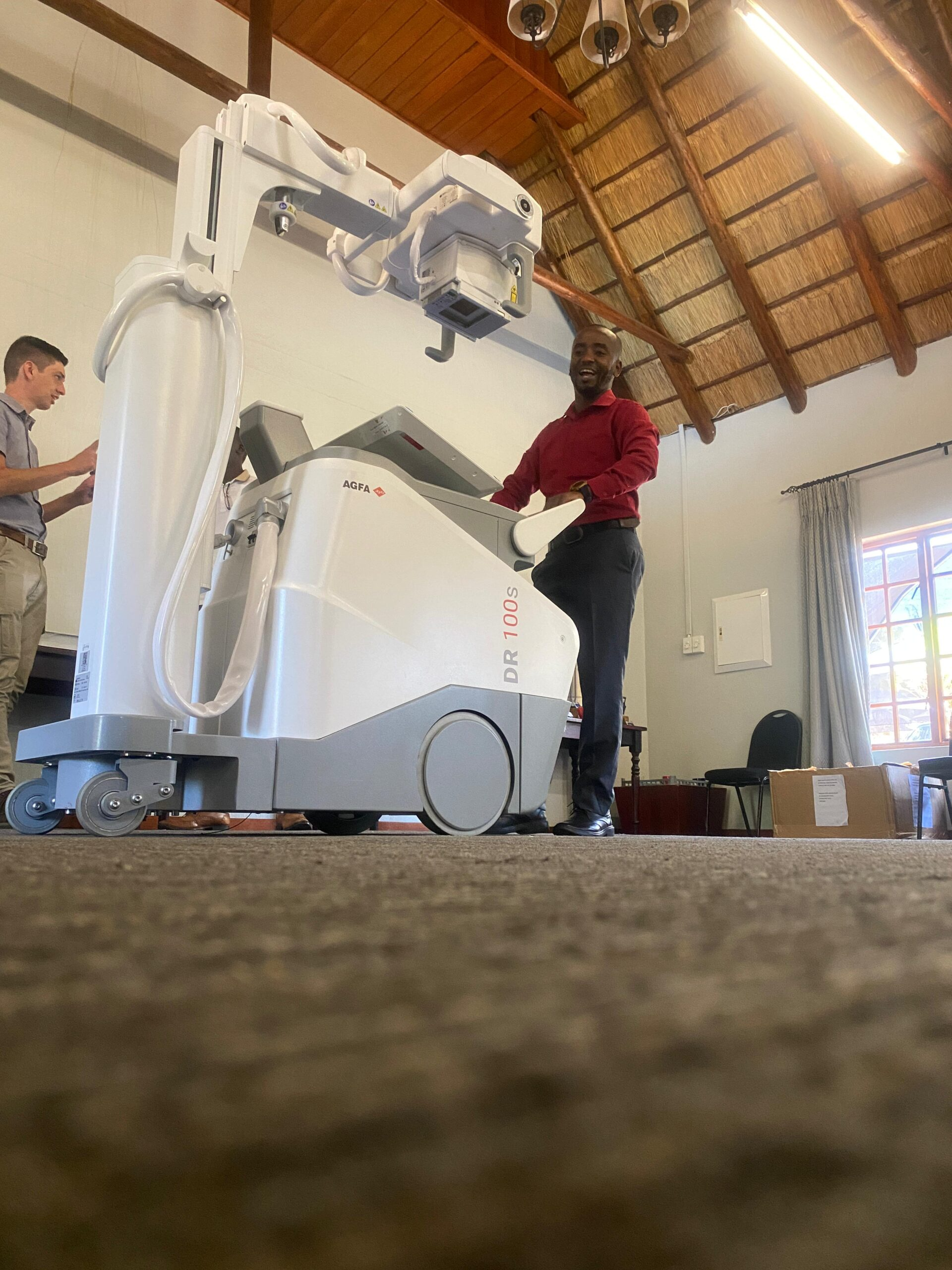
In the fast-paced environment of hospital accident and emergency (A&E) departments, timely and accurate diagnosis is crucial for effective patient care. One essential tool that significantly enhances emergency care capabilities is a mobile X-ray unit. This portable imaging technology brings numerous benefits to A&E settings, improving patient outcomes, workflow efficiency, and overall quality of care. 1. Rapid Diagnosis: Time is of the essence in emergency situations. A mobile X-ray unit allows healthcare professionals to quickly perform diagnostic imaging right at the patient’s bedside or within the A&E area. This rapid access to imaging results enables prompt assessment and treatment decisions, especially for critically ill or injured patients. 2. Immediate Trauma Assessment: In cases of trauma, such as fractures, dislocations, or internal injuries, a mobile X-ray unit provides immediate visual insights into the extent and nature of the injuries. This information is vital for determining the appropriate course of action, whether it involves stabilizing the patient, initiating surgical intervention, or administering specific treatments. 3. Minimized Patient Movement: Moving patients for imaging procedures can be challenging and risky, especially for those with serious injuries or unstable medical conditions. With a mobile X-ray unit in the A&E area, healthcare providers can minimize patient movement, reducing the potential for further injury or discomfort during transportation to a conventional radiology department. 4. Enhanced Workflow Efficiency: Integrating a mobile X-ray unit into the A&E workflow streamlines the diagnostic process. Healthcare teams can perform imaging studies promptly, interpret results on-site, and collaborate efficiently to devise tailored treatment plans. This seamless workflow reduces waiting times, optimizes resource utilization, and improves overall departmental productivity. 5. Flexibility and Accessibility: Mobile X-ray units offer flexibility in terms of positioning and accessibility. They can be maneuvered into tight spaces, such as trauma bays or resuscitation rooms, where traditional X-ray machines may not fit. This accessibility ensures that imaging services are readily available where and when they are needed most, enhancing the hospital’s emergency response capabilities. 6. Improved Patient Experience: The presence of a mobile X-ray unit in the A&E area contributes to a more positive patient experience. Patients receive prompt diagnostic evaluations without prolonged wait times or the need for extensive transfers within the hospital. This efficient and patient-centered approach reflects the hospital’s commitment to delivering high-quality emergency care. 7. Cost-Effective Solution: Investing in a mobile X-ray unit for the A&E department can be a cost-effective solution in the long run. By reducing the need for repeated patient transfers, optimizing resource utilization, and expediting diagnosis and treatment, hospitals can achieve operational efficiencies and cost savings over time. Conclusion: In conclusion, a mobile X-ray unit is a valuable asset for hospital A&E departments, offering rapid diagnosis, immediate trauma assessment, minimized patient movement, enhanced workflow efficiency, flexibility, accessibility, improved patient experience, and cost-effective benefits. Integrating this portable imaging technology into emergency care protocols empowers healthcare teams to deliver timely, accurate, and patient-centered services, ultimately improving outcomes for critically ill or injured individuals. By prioritizing the deployment of mobile X-ray units in A&E settings, hospitals can strengthen their emergency response capabilities and uphold standards of excellence in emergency medicine. At Colour International Limited we offer both digital and analog mobile xray solutions tailor-made to suite your needs from basic procedures to complex diagnosis while factoring the strict turn around times and quality expected. Reach out for inquiries, pricing and demo bookings.

Scroll to Top